
7 Perks of a New AC Installation
Upgrading a cooling system is one of the most practical improvements a property owner can make. A modern unit improves comfort, efficiency, and overall indoor living conditions while reducing long-term operational strain. A well-planned AC installation also supports better temperature control and more consistent performance during peak weather conditions, especially during extended periods of extreme heat.
Many homeowners consider replacement only when systems fail, but proactive upgrades often deliver stronger financial and lifestyle benefits that compound over time through reduced repairs and improved energy use. Improved system design and energy efficiency can also help reduce monthly utility expenses while enhancing day-to-day comfort in a noticeable and consistent way. Over time, these improvements contribute to a more reliable and cost-effective home or business environment. This article outlines the key advantages of installing a new system and how it contributes to better everyday living. Each section breaks down a specific benefit to help guide informed decision-making for residential or commercial spaces.
1. Enhancing Energy Savings
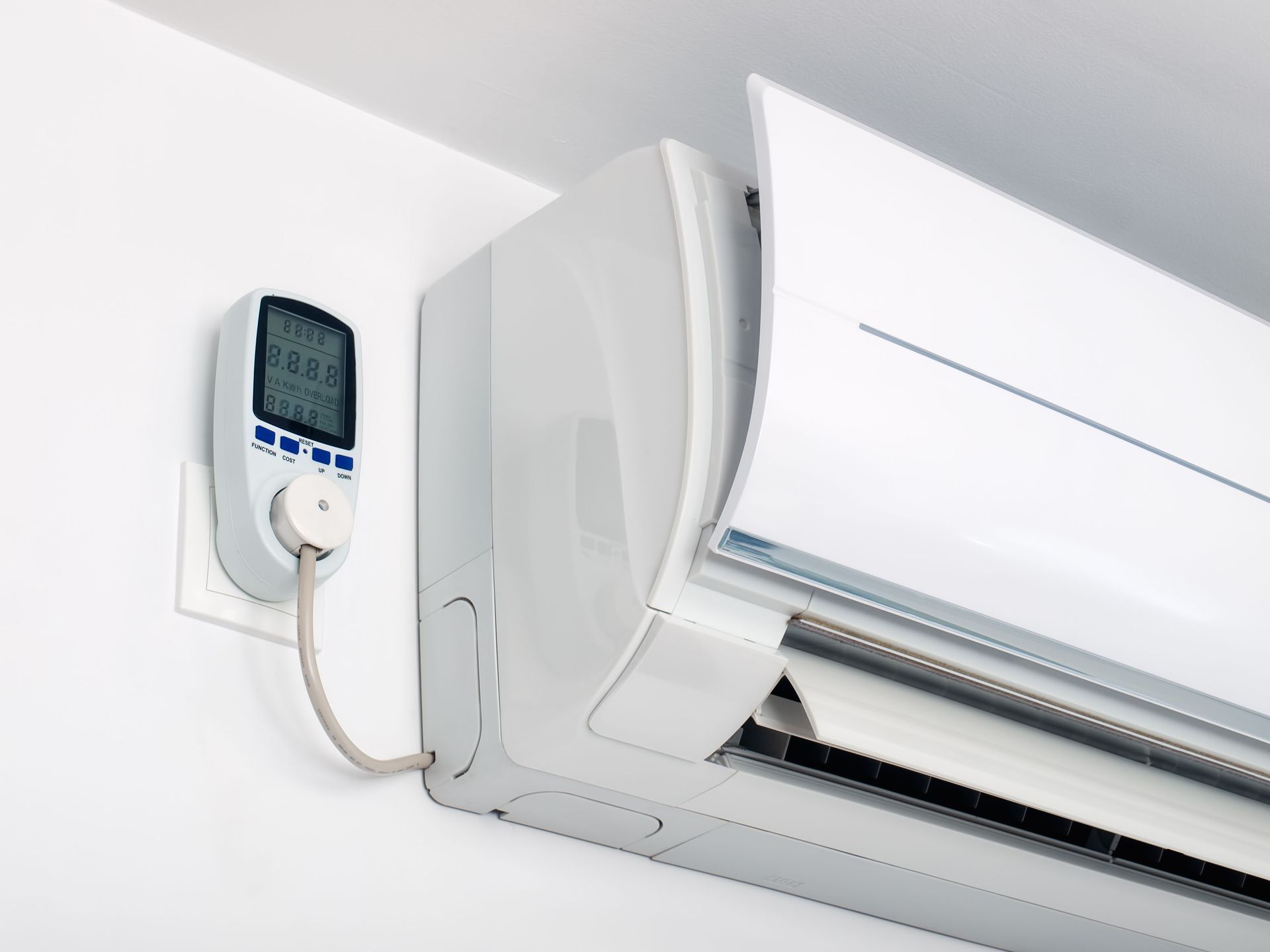
A new system significantly improves energy performance through upgraded components and advanced efficiency ratings. A professional AC installation ensures the equipment operates at optimal output while using less electricity than older units. This creates a noticeable difference in monthly utility costs, especially during peak summer months. Modern systems are engineered to avoid unnecessary energy waste by adjusting output based on real-time cooling demands.
According to industry data paraphrased from One desk, households typically spend around $2,000 annually on energy bills, with about half of that tied directly to heating and cooling needs. This highlights how much impact an efficient system can have on overall household expenses. A properly executed AC installation helps reduce this burden by improving system responsiveness and minimizing wasted runtime. Energy-saving performance is also enhanced through smarter thermostat integration. These systems allow users to fine-tune indoor temperatures with greater precision, reducing overcooling and underuse inefficiencies. Over time, this creates a more balanced and cost-effective home environment.
2. Improving Indoor Air Filtering
Indoor air quality improves significantly with updated filtration systems included in modern units. A new AC installation introduces advanced filters designed to capture dust, allergens, and airborne particles more effectively. This is especially important in environments where occupants suffer from allergies or respiratory sensitivities. Cleaner air contributes directly to better daily comfort and overall well-being.
Humidity regulation also plays a major role in maintaining healthier indoor conditions. Excess moisture can lead to mold growth and structural damage if left unmanaged. Modern systems actively balance humidity levels, creating a more stable and breathable environment throughout the year. Improved circulation ensures that air is consistently refreshed instead of stagnating in enclosed spaces. This reduces odors and enhances overall freshness indoors. With consistent maintenance, the system continues to deliver clean airflow that supports a healthier living or working space.
3. Increasing Comfort Delivery
Comfort levels improve noticeably when upgrading to a modern cooling system designed for stability and precision. A new AC installation helps eliminate uneven temperatures by distributing cooled air more consistently throughout a space. This reduces hot and cold spots that are common in older systems. The result is a more balanced indoor environment that adjusts efficiently to external weather changes.
Faster cooling response times also contribute to improved comfort. Instead of waiting long periods for temperature changes, modern systems respond quickly and maintain consistent output. This is particularly valuable during extreme heat conditions when immediate relief is needed. Noise reduction is another important enhancement. Newer systems are engineered with improved insulation and quieter operation, making them less disruptive in residential and commercial settings. This creates a more peaceful environment that supports relaxation, focus, and productivity throughout the day.
4. Reducing Costs
A new AC installation provides long-term financial advantages by reducing repair frequency and operational inefficiencies. Older systems often require repeated servicing due to worn components, while newer systems are designed for durability and reduced maintenance needs. This helps property owners avoid unexpected expenses over time.
Lower energy consumption directly contributes to monthly savings. When systems run more efficiently, they require less power to achieve the same cooling output. This makes a noticeable difference in utility costs, especially during high-demand seasons. Over time, these savings accumulate into a strong return on investment. Reduced maintenance, improved efficiency, and fewer breakdowns all contribute to better financial planning and long-term stability. A well-planned upgrade becomes a cost-control strategy rather than just an equipment replacement.
5. Minimizing Environmental Impact
Environmental performance is an important consideration in modern system upgrades. A new AC installation uses updated refrigerants and energy-efficient technology designed to reduce environmental strain. These improvements help lower greenhouse gas emissions compared to older systems.
Manufacturing standards have also evolved to support more sustainable production practices. Many systems are now built with recyclable materials and optimized energy usage throughout their lifecycle. This reduces overall environmental impact from production to daily operation. Some systems also integrate more effectively with renewable energy sources. This allows homeowners to reduce reliance on traditional power grids while improving sustainability outcomes. The result is a cooling solution that supports both comfort and environmental responsibility.
6. Strengthening System Reliability
Reliability is one of the most important advantages of upgrading to a modern system. A new AC reduces the likelihood of unexpected breakdowns by incorporating improved engineering and higher-quality components. This leads to more consistent performance throughout the year.
Advanced diagnostic features allow systems to detect issues early before they become major problems. This enables preventive maintenance rather than reactive repairs. As a result, downtime is reduced and system lifespan is extended.
Improved automation also ensures consistent temperature regulation with minimal manual adjustment. The system adapts to environmental changes efficiently, maintaining stable indoor conditions. This creates a dependable cooling experience that supports both comfort and peace of mind.
7. Boosting Installation Value
Property value often increases when a modern cooling system is installed. Buyers and tenants tend to prioritize energy efficiency and updated infrastructure when evaluating properties. A new AC adds to overall market appeal by signaling reduced future maintenance costs and improved comfort standards.
In addition to property value, upgraded systems may qualify for rebates or incentive programs depending on local regulations. These financial benefits further enhance the return on investment and reduce upfront cost pressure.
Warranties and manufacturer guarantees also add long-term value. They provide reassurance that the system is protected against major defects and performance issues. This combination of financial incentives and reliability makes upgrading a strategic decision for property owners.
Upgrading to a modern cooling system delivers measurable benefits across efficiency, comfort, air quality, and long-term financial performance. A properly planned AC installation supports better energy management, improved reliability, and reduced environmental impact while also enhancing overall property value. It helps maintain a more consistent indoor environment during peak seasonal demands, reducing the need for constant adjustments or unexpected system issues.
For homeowners and businesses alike, it represents a practical investment in both immediate comfort and future savings. Over time, improved efficiency and reduced maintenance needs help lower operating costs while supporting more predictable performance throughout the year. This makes the upgrade a practical step for long-term planning as well as day-to-day comfort.
When considering long-term performance and dependable service, working with trusted professionals ensures the best results from start to finish and helps ensure your system is properly installed and optimized for lasting efficiency. Contact JC Mechanical Heating & Air.




Share On: